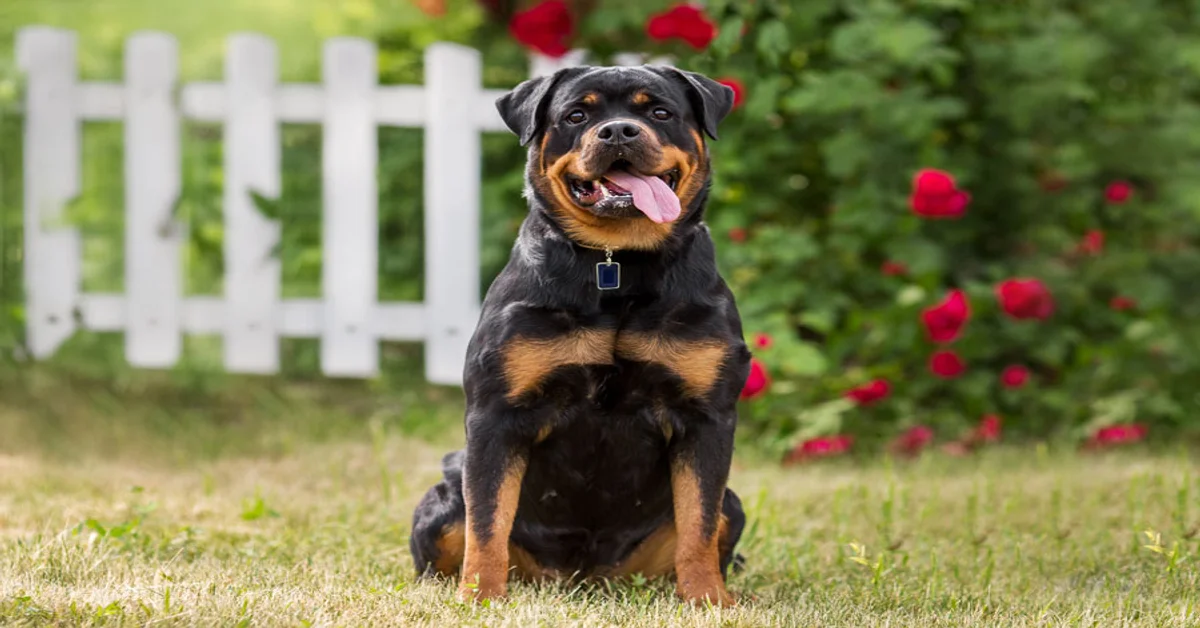
Rodwajlery is a spelling variation associated with the Polish word for Rottweilers, a powerful German dog breed known for its loyalty, intelligence, muscular build, and protective instincts. Known for their muscular bodies, black-and-tan coats, and confident personalities, Rottweilers have earned a respected place among working dogs and family companions.
Originally developed in Germany, these dogs were used for herding cattle, guarding property, and assisting butchers and merchants. Today, they serve in various roles, including companionship, obedience, tracking, and professional working activities. Their intelligence and willingness to learn make them impressive dogs when raised with responsible care.
However, owning a Rodwajlery requires commitment. Proper training, regular exercise, balanced nutrition, and preventive veterinary care are essential for a happy and healthy dog. This comprehensive guide explores the Rodwajlery meaning, history, physical characteristics, temperament, training, health, and everything prospective owners should know before welcoming a Rottweiler into their homes.
What Is Rodwajlery? Meaning and Definition
Rodwajlery is a spelling variation associated with the Polish word rottweilery, referring to Rottweilers in the plural. The recognized English breed name is Rottweiler. Although the spelling may differ across online searches, the subject generally refers to the same German working dog breed.
Rottweilers belong to the working group and are known for their strength, intelligence, confidence, and protective instincts. They have historically helped people manage livestock and protect property. With suitable training and socialization, they can also become affectionate companions that enjoy spending time with their families.
The Rodwajlery dog breed is particularly suitable for owners who can provide structure, activity, and consistent guidance. These dogs are not simply impressive-looking guardians; they need companionship, mental stimulation, and responsible handling to develop into balanced adults.
History and Origin of Rodwajlery
The history of the Rottweiler stretches back to the Roman Empire. According to the Fédération Cynologique Internationale (FCI), the breed’s ancestry is connected with dogs that accompanied Roman legions across Europe, helping drive livestock and protect people during their journeys.
As these dogs reached the region surrounding Rottweil in present-day Germany, they mixed with local dogs over generations. The resulting working dogs became valuable to cattle traders and butchers. They helped move livestock, guarded property, and sometimes pulled carts carrying goods. Their historical name, Rottweiler Metzgerhund, means the butcher’s dog of Rottweil.
During the nineteenth century, changing transportation and livestock practices reduced the demand for traditional cattle-driving dogs. The breed later gained renewed recognition for its suitability for police and other working roles. Rottweilers were officially recognized for police work in Germany in 1910, reflecting their intelligence, strength, and versatility.
Today, organizations such as the FCI, the American Kennel Club (AKC), and the Allgemeiner Deutscher Rottweiler-Klub (ADRK) help document or maintain breed standards and promote responsible breeding. The FCI breed standard identifies Germany as the Rottweiler’s country of origin.
Physical Characteristics of Rodwajlery
Rottweilers are large, muscular dogs with a broad chest, strong legs, and a confident appearance. Their bodies are built for strength and endurance rather than extreme speed. A well-proportioned Rottweiler should appear powerful without looking excessively heavy or unbalanced.
Their most recognizable feature is a short, dense black coat with clearly defined rust or mahogany markings. These markings typically appear above the eyes, on the muzzle, chest, legs, and beneath the tail. Their dark brown eyes, broad head, and strong jaw contribute to their distinctive expression.
Rottweiler Size and Weight
Adult size varies according to sex, genetics, and individual development. The following measurements are typical breed guidelines rather than guarantees for every dog.
| Characteristic | Male Rottweiler | Female Rottweiler |
|---|---|---|
| Height at the shoulder | 24–27 inches | 22–25 inches |
| Typical weight range | 95–135 pounds | 80–100 pounds |
| Coat | Short, dense, double coat | Short, dense, double coat |
| Common coloring | Black with rust markings | Black with rust markings |
Source: American Kennel Club breed profile.
The Rottweiler breed standard emphasizes correct proportions, movement, and sound structure. Individual dogs may fall outside typical weight ranges without necessarily having a health problem, but maintaining an appropriate body condition is important. A veterinarian can help owners assess healthy growth and weight.
Rodwajlery Temperament and Personality
Rodwajlery temperament is one of the breed’s most important characteristics. Rottweilers are generally confident, intelligent, alert, and deeply attached to their families. They may be reserved around unfamiliar people, particularly when protecting their home, but this does not mean every Rottweiler is naturally aggressive.
A well-raised Rottweiler can be affectionate, playful, and eager to participate in family activities. Some enjoy close physical contact and may follow their owners around the house. Others are more independent while remaining attentive to their surroundings. Individual personality depends on genetics, early experiences, training, and ongoing care.
Their protective instincts make them capable watchdogs, but responsible ownership is essential. Encouraging uncontrolled aggression is neither necessary nor desirable. Instead, owners should develop calm behavior, reliable obedience, and appropriate responses to unfamiliar people and situations.
Early socialization helps Rottweilers learn to handle new environments confidently. Introduce them gradually to different people, sounds, surfaces, and suitable animals. Positive experiences can help reduce unnecessary fear and improve their ability to respond calmly.
Training and Socialization Tips for Rodwajlery
Rodwajlery training should begin as soon as a puppy arrives home. Rottweilers are intelligent and capable learners, but their size and strength mean that good manners must be established early. Simple commands such as sit, stay, come, leave it, and walk beside me provide a useful foundation.
Positive reinforcement is an effective approach to teaching desirable behavior. Reward your dog with small treats, praise, toys, or play when it follows a command. Keep sessions short, consistent, and engaging. Harsh punishment and intimidation can create fear, undermine trust, and make behavior harder to manage.
Essential Training Practices
- Begin puppy obedience training early.
- Teach calm leash walking and reliable recall.
- Introduce visitors and unfamiliar environments gradually.
- Reward relaxed behavior around other dogs and people.
- Establish consistent household rules.
- Seek a qualified trainer if challenging behavior develops.
Puppy socialization should be safe and appropriate for the puppy’s vaccination status. Ask a veterinarian about suitable classes and environments before exposing a young dog to places where infectious diseases may be present.
Advanced working dog training, tracking, agility, and obedience activities can offer additional mental stimulation. However, specialized protection training should only be considered with qualified professionals who prioritize control, welfare, and safety.
Exercise Requirements and Daily Activities
Rottweilers are athletic working dogs that need regular physical activity. Daily walks, structured play, training exercises, and opportunities to explore can help maintain fitness and prevent boredom. Their exact exercise requirements depend on age, health, conditioning, and individual energy levels.
Many healthy adult Rottweilers benefit from a combination of walks and other suitable activities spread throughout the day. Some enjoy hiking, swimming, scent games, or retrieving toys. Mental stimulation is equally valuable because intelligent dogs need opportunities to solve problems and learn.
Puppies require special consideration. Their bones and joints are still developing, so avoid forcing them into prolonged running, repetitive jumping, or strenuous exercise. Build activity gradually and seek veterinary advice about appropriate exercise during growth.
A secure yard can provide room to play, but it does not replace walks, training, and interaction with people. Without sufficient activity, a bored Rottweiler may chew household objects, become restless, or develop unwanted habits.
Diet and Nutrition for Rodwajlery
A balanced diet supports the Rottweiler’s muscular body, energy needs, and overall health. Choose a complete, nutritionally balanced dog food suitable for the dog’s life stage, size, activity, and medical needs. Puppies generally require food formulated for large-breed growth, while adults and senior dogs have different nutritional requirements.
Protein supports muscle maintenance, while fats provide energy and essential fatty acids. Vitamins, minerals, and other nutrients contribute to healthy bones, skin, and normal body functions. More protein or supplements do not automatically mean better nutrition; the overall balance of the diet matters most.
Feeding Guidelines
Feed measured portions according to the food manufacturer’s guidance, then adjust them based on body condition and veterinary advice. Many adult dogs do well with two measured meals daily, although an individual feeding plan may differ. Fresh drinking water should always be available.
Avoid excessive treats and frequent table scraps, as extra calories can contribute to obesity. Growing Rottweilers should not be encouraged to grow as quickly or become as heavy as possible. Controlled growth helps support healthy development.
Because Rottweilers can experience joint problems, owners may wonder whether glucosamine, fish oil, or other supplements are necessary. Discuss supplements with a veterinarian before using them, particularly if your dog takes medication or has an existing health condition.
Common Health Problems and Lifespan
The Rottweiler lifespan is commonly around 9–10 years according to the American Kennel Club, although individual dogs may live shorter or longer lives. Genetics, nutrition, weight management, exercise, preventive care, and early treatment all influence long-term well-being.
Like other large breeds, Rottweilers can be susceptible to certain health problems. Knowing the warning signs and choosing responsible breeders can help owners make informed decisions.
Hip and Elbow Dysplasia
Hip dysplasia occurs when the hip joint develops abnormally, potentially causing discomfort, stiffness, or mobility problems. Elbow dysplasia can similarly affect movement and joint comfort. Maintaining a healthy weight, providing appropriate exercise, and seeking veterinary assessment for limping or stiffness are important.
Responsible breeders should provide relevant health screening information for their breeding dogs. The American Rottweiler Club’s health guidance discusses screening for hip and elbow conditions and other inherited concerns.
Gastric Dilatation-Volvulus
Gastric dilatation-volvulus (GDV), often called bloat, is a life-threatening emergency in which the stomach expands and may twist. Warning signs can include a swollen abdomen, repeated unproductive retching, restlessness, excessive drooling, or sudden weakness.
Suspected GDV requires immediate emergency veterinary care. Do not wait to see whether symptoms improve.
Heart Conditions and Other Concerns
Some Rottweilers develop heart conditions, eye disorders, or certain cancers, including bone cancer. Their individual risks vary, so regular veterinary examinations are valuable. Ask your veterinarian whether heart evaluation, orthopedic assessment, or other tests are appropriate for your dog.
Preventive healthcare should include vaccinations, parasite prevention, dental examinations, and age-appropriate screening. Changes in appetite, movement, breathing, energy, or behavior deserve attention, particularly when sudden or persistent.
Grooming and Daily Care
Despite their muscular appearance, Rottweilers have relatively straightforward grooming needs. Their short double coat benefits from weekly brushing to remove loose hair and distribute natural skin oils. Shedding can increase during seasonal changes, so more frequent brushing may be useful at those times.
Bathe your dog when necessary using a shampoo designed for dogs. Avoid excessive bathing or harsh products that may irritate the skin. Check the ears regularly for dirt, redness, unusual odor, or discharge, and ask a veterinarian how to clean them safely if needed.
Dental care is another important part of the Rodwajlery care guide. Brushing with dog-safe toothpaste helps reduce plaque buildup. Regular nail trimming prevents overgrown nails from causing discomfort and affecting movement.
Daily care also includes providing a comfortable resting area, clean water, safe toys, companionship, and regular health checks. Grooming sessions are useful opportunities to notice lumps, skin irritation, sore areas, or other changes that might need veterinary attention.
Are Rodwajlery Good Family Dogs?
Rottweilers can become devoted family companions when their needs are met. They often form strong bonds with household members and can be affectionate, playful, and attentive. Their protective instincts may also make them effective watchdogs, provided they are properly trained and managed.
However, a Rottweiler is a large, powerful animal, and its behavior should never be judged by breed reputation alone. Temperament, individual history, socialization, and owner experience all matter. A poorly managed dog of any breed can create safety concerns.
Families with children should teach respectful interactions and supervise every interaction between young children and the dog. Children should not climb on dogs, disturb them while eating, or approach them when they are sleeping. Provide a quiet place where the dog can rest without interruption.
Rottweilers may live successfully with other pets when introductions are carefully managed, but compatibility is not guaranteed. Choose gradual introductions, reward calm behavior, and separate animals when necessary. Owners must be prepared to manage the dog throughout its life rather than relying solely on its natural protective instincts.
Rodwajlery Puppies: Price, Buying, and Adoption
Rodwajlery puppies are appealing because of their playful personalities and impressive potential as adult companions. However, choosing a puppy should involve more than appearance, size, or the reputation of its parents. Health, temperament, early care, and the breeder’s practices deserve equal attention.
What Is the Rodwajlery Price?
The Rottweiler puppy price varies according to location, breeder reputation, pedigree, health screening, registration, and local demand. There is no single price that applies everywhere. In Pakistan, prospective buyers should compare current local offers and confirm what is included rather than relying on prices from other countries.
Remember that the purchase price is only the beginning. Food, vaccinations, veterinary visits, training, equipment, grooming supplies, and unexpected medical expenses contribute to the total cost of ownership.
How to Choose a Responsible Breeder
A responsible dog breeder should welcome questions and provide appropriate health records. Ask about the parents’ temperaments, relevant health testing, vaccination and deworming records, and the puppy’s early socialization. If possible, observe the puppies with their mother and assess whether they are raised in a clean, safe environment.
Be cautious of sellers who refuse to provide records, pressure you into an immediate purchase, or advertise unusually young puppies without clear welfare information. Avoid selecting a puppy based solely on its size or claims that it will become exceptionally aggressive.
Consider Rottweiler Adoption
Rottweiler adoption can be a rewarding alternative to buying a puppy. Rescue organizations and shelters may have puppies, adolescents, or adult dogs looking for suitable homes. Ask about each dog’s behavior, health history, and experience with children or other animals.
Before bringing a dog home, prepare a safe space, arrange veterinary care, and establish a realistic training and exercise routine. Responsible pet ownership means being ready to meet the dog’s needs throughout its life.
Rodwajlery vs. Other Dog Breeds
Comparing Rottweilers with other working breeds can help prospective owners select a dog that matches their lifestyle. Every dog is an individual, so breed tendencies should be treated as general guidance rather than guarantees.
Rottweiler vs. German Shepherd
Both Rottweilers and German Shepherds are intelligent, trainable working dogs. Rottweilers generally have a heavier, more muscular build, while German Shepherds typically have a more elongated body and a double coat that varies in length and appearance.
Rottweilers are often recognized for their strength, confidence, and protective nature. German Shepherds are also valued for their versatility in obedience, detection, herding, and service work. Both breeds require exercise, mental stimulation, socialization, and consistent training.
The best choice depends on the individual dog’s temperament and the owner’s ability to meet its needs. Neither breed should be chosen simply because it looks intimidating or is believed to provide automatic protection.
Rottweiler vs. Other Guard Dogs
Compared with some other guardian breeds, Rottweilers combine substantial physical strength with a history of livestock work and close cooperation with people. Their guarding ability is best developed through sound temperament, socialization, and reliable obedience rather than encouragement of hostility.
Before choosing any large working dog, consider your available time, living environment, local regulations, financial resources, and previous dog-handling experience.
Frequently Asked Questions About Rodwajlery
What Does Rodwajlery Mean?
Rodwajlery is a spelling variation associated with the Polish plural rottweilery, meaning Rottweilers. In English, the recognized breed name is Rottweiler.
Are Rodwajlery Good Family Dogs?
Yes, many Rottweilers make affectionate family companions when properly socialized, trained, and supervised. Their size and strength require responsible handling, especially around children and smaller animals.
How Long Do Rottweilers Live?
The typical Rottweiler lifespan is around 9–10 years, although some live longer. Appropriate nutrition, healthy body weight, preventive veterinary care, and responsible breeding can support overall well-being.
Summary
Rodwajlery, commonly associated with the Rottweiler dog breed, represent strength, intelligence, loyalty, and a long working history. From their origins in Germany to their modern roles as companions and working dogs, Rottweilers continue to attract people who appreciate their confident personalities and close relationships with their owners.
However, the best Rottweiler is not simply the strongest or most intimidating. It is a dog whose physical and emotional needs are understood and met through proper training, early socialization, balanced nutrition, regular exercise, and preventive healthcare.
If you are considering Rodwajlery puppies or adopting an adult Rottweiler, research responsible sources and prepare for the long-term commitment. With thoughtful care, patience, and consistent guidance, a Rottweiler can become a devoted companion and a valued member of the family.
Stay tuned with Blessed Magazine!