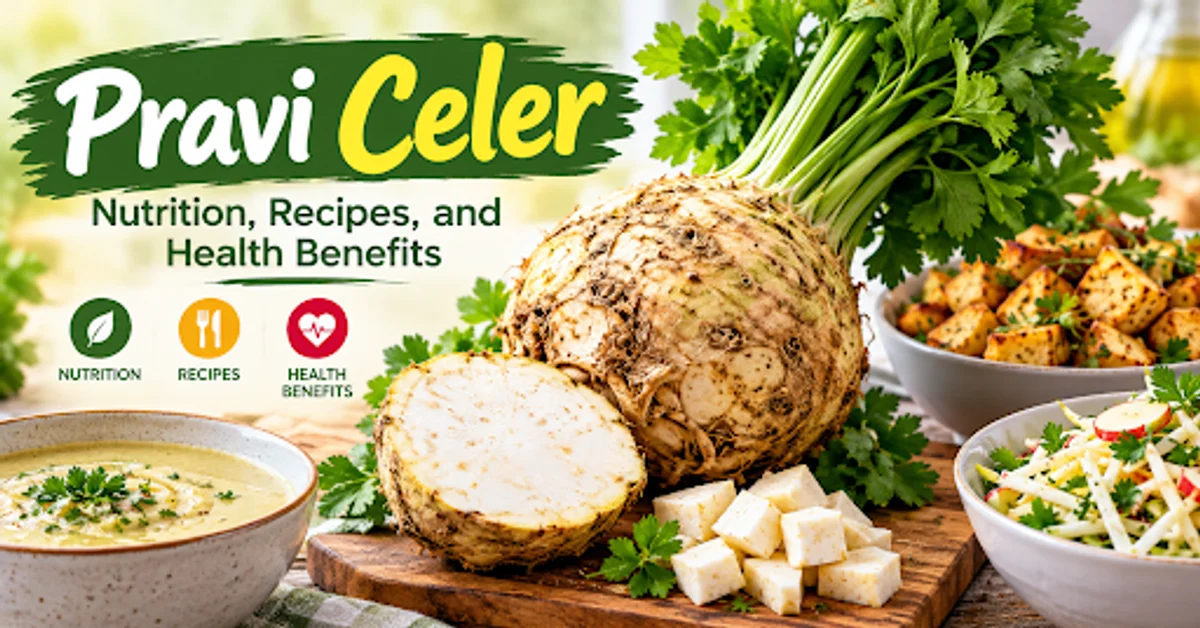
Pravi Celer can be understood as “true celery” or “real celery” in some South Slavic language contexts. However, it is not the scientific name of a separate plant, and its precise meaning can vary according to regional usage. The term is often associated with traditional celery varieties that have a pronounced aroma or with celeriac, which is cultivated primarily for its enlarged edible root.
Celery belongs to the botanical species Apium graveolens, a member of the Apiaceae family. This plant group also includes carrots, parsley, and other familiar culinary plants. Celeriac is commonly identified as Apium graveolens var. rapaceum, although botanical classifications can vary. Understanding this distinction helps readers identify the vegetable without assuming that every reference to Pravi Celer describes exactly the same variety.
Pravi Celer is valued for its concentrated celery flavor, which can enrich simple ingredients without requiring complicated seasoning. A small piece of celery root can contribute an earthy, savory character to homemade vegetable broth, while its leaves provide an aromatic finish. These qualities make it particularly useful in recipes that depend on slowly developed flavors.
Traditional home cooking often combines celery with onion, carrot, parsley, and potatoes. These ingredients complement one another in soups and stews, creating satisfying meals from accessible vegetables. Pravi Celer fits naturally into this approach because it offers flavor, versatility, and several preparation options.
Related: Bodenxt: Exploring Boden’s Green Industrial Future
Pravi Celer and Celeriac: Understanding the Difference
What Is Celeriac (Root Celery)?
Celeriac, also called celery root or root celery, is a cultivated form of Apium graveolens grown mainly for its swollen, rounded base. Unlike the long, crisp stalks sold as conventional celery, celeriac develops a large root-like structure with rough, uneven skin. Beneath the exterior is firm, pale flesh that becomes tender when cooked.
The root can be peeled and diced, sliced, grated, roasted, boiled, or mashed. It has a recognizable celery aroma but a deeper, earthier flavor than many stalk varieties. Although Pravi Celer is sometimes used to refer to celeriac, the phrase should be interpreted in context rather than treated as a universally standardized botanical term.
Pravi Celer vs. Regular Stalk Celery
Regular celery is usually grown for its long, crisp stalks. Its flavor is relatively mild and fresh, making it suitable for raw snacks, salads, stir-fries, and light soups. Its high water content gives the stalks a crunchy texture that works especially well when a recipe needs freshness rather than a deep vegetable flavor.
Celeriac is generally selected when a dish needs a stronger, earthier celery character. Its dense flesh holds up well in roasting, boiling, and slow cooking, while its leaves can season stocks and sauces. In simple terms, stalk celery emphasizes crunch and freshness, whereas celery root offers a substantial texture and concentrated flavor.
What Does Pravi Celer Look and Taste Like?
Appearance, Root, Stalks, and Leaves
When Pravi Celer refers to celeriac, the most noticeable feature is its rough, knobby root. Its exterior may look uneven or unattractive, but the flesh underneath is typically pale, firm, and suitable for many recipes. Depending on the variety and how it is sold, green stalks and leaves may remain attached to the root.
The stalks and leaves are useful parts of the plant, although their size and texture can differ from those of celery grown specifically for its stems. Fresh leaves usually have a recognizable celery smell and can add flavor to cooked dishes. Before cooking, remove damaged areas and clean the root thoroughly, paying particular attention to crevices where soil may collect.
Flavor, Aroma, and Texture
The Pravi Celer taste is commonly described as earthy, savory, and distinctly celery-like, with a slight bitterness in some preparations. Raw celeriac feels firm and crisp, while cooking softens its texture and makes its flavor gentler. Roasting can add appealing browned notes, whereas simmering allows the vegetable’s aroma to spread through a broth.
Its strong celery aroma means that a little can go a long way. For a balanced result, start with a modest amount and add more according to your preference. Pairing celery root with sweet carrots, mellow onions, potatoes, or fresh parsley helps balance its earthy character without hiding its distinctive flavor.
Pravi Celer Nutrition and Health Benefits
Essential Vitamins, Minerals, and Dietary Fiber
Pravi Celer nutrition depends on whether the ingredient is celeriac, stalk celery, or another celery variety. Celeriac generally provides water, carbohydrates, dietary fiber, and several micronutrients. It can contribute vitamin K, vitamin C, potassium, and other nutrients to a varied diet, although the amounts depend on the portion size and preparation method.
Dietary fiber supports normal digestion, while vitamin C contributes to normal immune function and collagen formation. Vitamin K is important for normal blood clotting and bone health. Celeriac can therefore be a useful addition to balanced meals, but its nutritional composition should not be confused with that of stalk celery. Peeling, cooking, and serving size can also affect the nutrients available in a finished dish.
Potential Benefits of Including Celery Root in Your Diet
The potential Pravi Celer benefits come mainly from its contribution to a varied, plant-rich diet. Its fiber can support digestive regularity, while its water content helps contribute to overall fluid intake. As a vegetable that can be prepared in many ways, celery root also makes it easier to add variety to meals without relying on heavily processed ingredients.
Celeriac is not a miracle food, and there is no strong evidence that eating it alone prevents or treats a specific disease. Its value is best understood as part of a balanced eating pattern that includes different vegetables, fruits, whole grains, protein sources, and healthy fats. People who take medication affected by vitamin K intake should ask their healthcare professional whether they need to keep their intake consistent.
Common Culinary Uses of Pravi Celer
Using Pravi Celer in Soups, Broths, and Stews
One of the most practical Pravi Celer uses is adding it to soups and broths. Peel a small portion of the root, cut it into chunks, and simmer it with onion, carrot, parsley, and other vegetables. As the mixture cooks, the celery flavor spreads through the liquid, creating a fuller taste without requiring many extra ingredients.
Pravi Celer soup can be made with potatoes, leeks, vegetable stock, and a little milk or another suitable creamy ingredient. For a simple broth, add celery root early in the cooking process so its flavor has time to develop. In a stew, small cubes can soften alongside other vegetables and provide a satisfying texture. Adjust the amount according to the strength of the root and the flavor you want.
Roasted, Mashed, and Raw Celeriac Recipes
Roasted celeriac is an easy way to experience its natural flavor. Peel the root, cut it into evenly sized cubes, toss with a little oil, and season with black pepper and herbs. Roast until the pieces are tender and lightly browned. The dry heat develops a deeper flavor while allowing the vegetable to become soft inside.
Mashed celery root is another comforting option. Boil peeled cubes until tender, drain well, and mash with a small amount of butter or olive oil. You can combine it with potatoes for a balanced side dish. For a fresh alternative, prepare a raw celeriac salad by peeling and grating the root, then mixing it with lemon juice, parsley, and a dressing of your choice. Serve promptly to help preserve its color and freshness.
How to Prepare and Cook Pravi Celer
Cleaning, Peeling, and Cutting the Root
Good Pravi Celer preparation begins with careful cleaning. Rinse the root under running water and use a clean vegetable brush to remove dirt from its uneven surface. Place it on a stable cutting board, trim the top and bottom, and carefully remove the rough skin with a sturdy knife or vegetable peeler suitable for thick skin.
Once peeled, cut the flesh into cubes, slices, or thin strips according to the recipe. Use a clean knife and board, and wash your hands and equipment after handling unwashed produce. If you are not cooking the celeriac immediately, keep the cut pieces covered in the refrigerator. A little lemon juice can help reduce browning, particularly when preparing raw celeriac for salads.
Cooking Methods and Flavor Pairings
There are several ways to cook Pravi Celer, and each produces a slightly different result. Boiling and steaming soften the flesh, roasting develops richer flavors, and simmering allows the vegetable to season soups and sauces. Grating creates thin pieces that work well in salads or vegetable mixtures, while mashing gives the root a smooth texture.
For appealing combinations, pair celery root with carrot, onion, garlic, potato, parsley, thyme, or black pepper. Lemon juice can brighten its earthy flavor, while a little olive oil helps roasted pieces brown. These flexible pairings make Pravi Celer suitable for simple family meals and more elaborate recipes alike.
Pravi Celer in Balkan and Central European Cuisine
Traditional Dishes and Regional Food Customs
Pravi Celer has a natural place in traditional European cooking, particularly in recipes that use aromatic vegetables to build flavor. Across parts of the Balkan Peninsula and Central Europe, celery and celeriac are commonly associated with homemade soups, vegetable stocks, meat broths, and hearty stews. Their distinctive aroma complements ingredients that are widely available in home kitchens.
Food traditions differ between countries and families, so it is important not to assume that every regional recipe uses the name Pravi Celer. In Serbia, Croatia, and Bosnia and Herzegovina, celery-related ingredients may appear in different forms depending on the dish and local terminology. Their lasting appeal comes from their ability to enrich everyday meals with familiar, comforting flavors.
Combining Pravi Celer With Other Vegetables and Herbs
Pravi Celer works especially well with aromatic vegetables such as carrot, onion, garlic, and parsley. Together, these ingredients form a flavorful base for vegetable soup, broth, and stew. Potatoes and leeks add body, while herbs such as thyme and bay leaf complement celery’s earthy character.
Its versatility also connects naturally with Mediterranean cuisine, where vegetables, olive oil, herbs, and fresh ingredients play important roles in many dishes. You can use celery root in roasted vegetable trays, pureed soups, or grain-based meals. Start with a small quantity if you are unfamiliar with its flavor, then adjust the amount to suit your preferences.
How to Choose and Store Fresh Pravi Celer
Tips for Selecting Fresh, Firm Celery Root
When shopping for celeriac, choose a root that feels firm and solid for its size. A rough, knobby exterior is normal, so appearance alone is not a reliable measure of quality. Avoid produce with extensive soft areas, serious damage, signs of decay, or an unpleasant smell.
If the leaves and stalks remain attached, look for fresh-looking green foliage without extensive wilting or discoloration. Smaller roots can be just as useful as larger ones, particularly when preparing a recipe for one or two people. Choosing a suitable size also reduces waste and makes the vegetable easier to handle.
Refrigeration, Freezing, and Storage Tips
For fresh vegetable storage, keep whole celeriac in the refrigerator in a suitable produce bag or container. Avoid washing it until you are ready to prepare it, and remove attached leaves if you plan to store the root for longer. Leaves generally deteriorate faster than the root, so use them sooner.
Store peeled or chopped pieces in a covered container in the refrigerator and use them promptly. Celeriac can also be frozen for later use in cooked dishes. Peel and cut it into manageable pieces, blanch briefly if appropriate for your intended recipe, cool it quickly, and freeze it in a suitable airtight container. Frozen celeriac may become softer after thawing, making it more suitable for soups, purees, and stews than crisp salads.
How to Grow Pravi Celer at Home
Soil, Sunlight, Watering, and Growing Conditions
A Pravi Celer growing guide begins with identifying the type of celery you want to cultivate. If you want celeriac, select seeds specifically intended for root celery rather than a variety grown mainly for long stalks. Celeriac grows best in fertile soil that retains moisture while draining excess water. A sunny location or light shade can work, depending on the local climate.
Celery plants need a steady water supply, particularly during active growth. Prepare the soil with well-rotted compost, remove competing weeds, and water consistently without leaving the ground waterlogged. Celeriac develops slowly and needs a long growing season, so planting dates should reflect your local temperatures and growing conditions. The Royal Horticultural Society provides further guidance on growing celeriac successfully.
Harvesting and Maintaining Healthy Celery Plants
Celeriac typically takes several months to mature. During growth, keep the soil evenly moist, remove weeds, and check the leaves for damage or disease. Mulching can help preserve soil moisture, while careful watering supports healthy development. Avoid disturbing the plant unnecessarily as the edible base expands.
Harvest when the root has developed to a useful size and the variety has reached maturity. Loosen the soil around it with a garden fork and lift the plant carefully. Remove excess soil, trim the leaves if needed, and inspect the root before storing it. Freshly harvested celeriac can be used in soups, roasted dishes, or other recipes, making home cultivation a rewarding way to explore this traditional vegetable.
Related: Poieno: Origin, Definition, and Modern Uses
Frequently Asked Questions
What is Pravi Celer?
Pravi Celer is a term that can mean “true celery” or “real celery.” It is often associated with celeriac, a root vegetable known for its earthy flavor and strong celery aroma.
Is Pravi Celer the same as celeriac?
Not always. Pravi Celer may refer to traditional celery or celeriac, depending on regional usage. Celeriac is a variety of celery grown mainly for its enlarged edible root.
What are the main Pravi Celer benefits?
Pravi Celer, particularly celeriac, provides dietary fiber, vitamin C, vitamin K, and other nutrients. It can contribute to digestive health and help support a balanced, varied diet.
How is Pravi Celer used in cooking?
Pravi Celer is commonly used in soups, broths, stews, salads, and roasted vegetable dishes. Its root can be boiled, mashed, or grated, while its leaves can add aroma to cooked meals.
How should you store Pravi Celer?
Store whole celeriac in the refrigerator in a suitable produce bag or container. Keep cut pieces covered and refrigerated, and use fresh leaves promptly to preserve their quality.
Summary
Pravi Celer is a useful term to understand when exploring traditional celery and celeriac in Balkan and Central European cooking. Although its exact meaning can vary, the ingredient associated with it is valued for its strong aroma, earthy celery flavor, and versatility. It can bring depth to soups, broths, stews, salads, and roasted vegetable dishes.
From its nutritional contribution to its many culinary uses, celeriac offers a simple way to add variety to everyday meals. Choose firm roots, prepare them carefully, and experiment with different cooking methods to discover your favorite flavors. Whether you are preparing a traditional family soup or trying a new roasted vegetable recipe, Pravi Celer can be a flavorful addition to a balanced, varied diet.