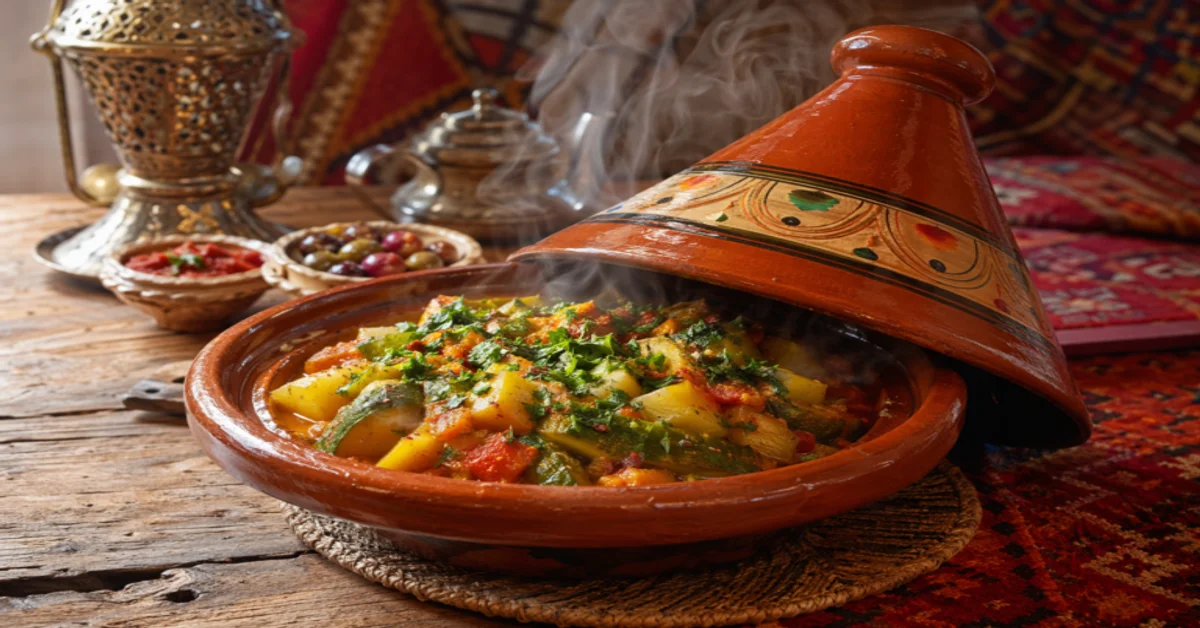
Kouskousi is a term used in some online sources to refer to couscous, a traditional North African food made from small granules of durum wheat semolina that are steamed and served with vegetables, meat, or stew. Its exact meaning can vary by regional usage, so it should not automatically be confused with similar Greek pasta products.
Traditional couscous is valued for its light texture, mild taste, and ability to absorb the flavors of vegetables, herbs, spices, meat, and sauces. It can be served as a main meal or a side dish, making it a versatile choice for family dinners and special occasions. Understanding the difference between Kouskousi as a term and established couscous traditions helps readers explore the food accurately without confusing regional names or similar dishes.
RELATED: Toastul: The Creative Guide to Modern Toast
The Meaning and Origin of Kouskousi
The exact Kouskousi meaning depends on how and where the word is used. It resembles names associated with couscous and other small-grain or pasta foods. However, without a reliable regional or linguistic source identifying a specific definition, it would be inaccurate to claim that Kouskousi has one universally accepted meaning. Readers researching this term should consider the original language, the spelling used by the source, and the type of food being described.
Couscous has a well-established connection with the Maghreb, the region of northwestern Africa that includes Morocco, Algeria, and Tunisia, among other territories. It is traditionally made by moistening semolina and forming it into small granules that are cooked, often by steaming. Over time, couscous became an important part of regional cooking and spread to other countries through migration, trade, and cultural exchange. These documented traditions provide useful context when exploring the possible connection between Kouskousi and couscous.
The History and Cultural Significance of Kouskousi
The history of couscous is closely connected to the food traditions of North Africa, particularly those of the Amazigh people. For generations, communities have prepared couscous using locally available grains, vegetables, spices, and other ingredients. The dish developed through regional cooking practices and became an important feature of everyday meals, celebrations, and hospitality. Although the precise historical origin of the spelling Kouskousi remains uncertain, couscous offers a reliable starting point for understanding the culinary heritage associated with similar terms.
In 2020, UNESCO recognized the knowledge, skills, and practices connected with producing and consuming couscous as intangible cultural heritage. The recognition highlights the importance of shared preparation methods, family traditions, and community relationships in Morocco, Algeria, Tunisia, and Mauritania. Couscous is more than a dish in these communities: it represents cultural identity, cooperation, and the passing of culinary knowledge between generations. These traditions demonstrate why food names should be explored with respect for their regional and cultural backgrounds.
What Is Kouskousi Made Of?
If Kouskousi refers to traditional wheat-based couscous, its main ingredient is semolina, usually produced from durum wheat. Durum wheat is a hard variety of wheat that provides the material used to make semolina flour. Small amounts of water are added to the semolina so that tiny granules form. These granules are separated, dried, and prepared for cooking. The result is a product that can become tender and fluffy when cooked correctly.
Other ingredients depend on the recipe rather than the grain itself. Traditional dishes may include carrots, onions, pumpkin, chickpeas, tomatoes, herbs, and spices. Some versions feature lamb, chicken, or fish, while vegetarian couscous relies on vegetables and legumes for additional flavor and substance. Olive oil, broth, and seasoning can also influence the final taste. If a product labeled Kouskousi contains a different type of flour or pasta, its ingredients should be checked on the packaging instead of assuming that every version is made from durum wheat.
How Is Kouskousi Traditionally Prepared?
Traditional couscous preparation involves more than simply boiling grains in water. The semolina is moistened gradually and rolled by hand until small granules form. These granules are sifted to create a more even size and then steamed. Depending on the traditional method, the steaming process may be repeated to produce a tender, separate, and fluffy texture. A special pot called a couscoussier allows the couscous to cook above a pot of simmering vegetables, meat, or broth.
The process requires attention to moisture, heat, and timing. If the granules become too wet, they may clump together; if they remain too dry, they can feel hard. Traditional cooks learn to judge these details through practice and family instruction. Modern packaged couscous is often partially cooked before sale, making preparation much quicker. Both methods can produce a delicious result, but the correct technique depends on the product.
Kouskousi vs. Couscous: What Is the Difference?
The difference between Kouskousi and couscous depends on the source using the term. Kouskousi is sometimes used as an alternative spelling or rendering of couscous. However, a similar Greek term, kouskousaki, can refer to small pasta. These names should not automatically be treated as interchangeable because products with similar names may have different ingredients, shapes, and cooking requirements.
| Feature | Traditional couscous | Small pasta-style product |
|---|---|---|
| Main ingredient | Usually durum wheat semolina | Usually wheat-based flour or semolina |
| Shape | Tiny granules | Often small, rounded pasta pieces |
| Preparation | Traditionally steamed | Usually boiled |
| Texture | Light and fluffy | Tender and pasta-like |
| Common uses | Stews, vegetables, meat, and salads | Soups, salads, and pasta dishes |
To identify a product correctly, read its label and follow its cooking instructions. Do not assume that a product is traditional couscous simply because its name resembles Kouskousi. The ingredients and preparation method offer more reliable clues than spelling alone.
Nutritional Value and Potential Health Benefits of Kouskousi
If Kouskousi refers to conventional wheat-based couscous, its nutritional profile is mainly determined by the semolina used to make it and the ingredients served alongside it. Couscous provides carbohydrates, which supply energy, and it contains some plant-based protein. Its fiber content varies with the product; whole-wheat versions generally provide more dietary fiber than refined versions. Added vegetables, beans, chickpeas, and other ingredients can make a meal more nutritionally varied.
Potential Benefits of a Balanced Couscous Meal
A well-planned couscous meal can contribute to a balanced diet in several ways:
- Energy: Carbohydrates provide fuel for daily activities.
- Plant-based protein: Couscous contributes some protein, while chickpeas and beans can increase the total.
- Dietary fiber: Whole-wheat couscous and vegetable-rich recipes can provide useful fiber.
- Variety: Vegetables, herbs, legumes, and lean proteins add different nutrients and flavors.
- Meal flexibility: Couscous works in vegetarian meals as well as dishes containing chicken, fish, or other meats.
These benefits depend on the entire meal, portion size, and preparation method. Couscous is not a miracle food, and no single ingredient guarantees good health. Pairing it with vegetables and protein-rich foods is a practical way to create a satisfying meal.
Calories and Serving Size
The calorie content of Kouskousi cannot be stated accurately without knowing the exact product and serving size. Dry couscous and prepared couscous have different calorie values per 100 grams because cooked couscous absorbs water and becomes heavier. Added oil, butter, meat, sauces, and other ingredients also affect the final total.
For the most accurate nutritional information, check the package label and note whether its values refer to dry or cooked food. If the product is a different type of pasta, use its own nutritional information rather than applying couscous values to it.
Popular Ways to Serve Kouskousi
One of the most appealing features of couscous is its versatility. Its mild taste works well with richly seasoned foods, fresh vegetables, and flavorful sauces. In North African cuisine, couscous is often served with a vegetable stew and may include chickpeas, carrots, pumpkin, onions, or other seasonal produce. Meat-based variations can feature lamb or chicken, while coastal and regional recipes may use fish.
For a lighter meal, couscous can be combined with tomatoes, cucumber, parsley, lemon juice, and olive oil to create a Mediterranean-inspired salad. Vegetarian couscous can include roasted vegetables and chickpeas, with cumin, coriander, or other spices adding depth. It can also be served as a side dish alongside grilled vegetables or protein. These are serving ideas for established couscous; if your Kouskousi product is pasta-style, adjust the recipe to suit its cooking method.
Traditional and Modern Serving Ideas
Traditional couscous often serves as the base for a shared family meal, with vegetables and sauce arranged over the grains. The specific combination varies between households and regions. Some recipes emphasize warming spices and slow-cooked meat, while others highlight vegetables, legumes, or fish.
Modern cooks can also use prepared couscous in lunch bowls, packed meals, and quick weeknight dinners. Fresh herbs, citrus, toasted nuts, and seasonal vegetables can add contrast and flavor. The best combinations depend on personal taste, local ingredients, and the occasion.
How to Cook Kouskousi at Home
A simple Kouskousi recipe begins with identifying the product you have. If it is instant or pre-steamed couscous, you can usually prepare it with hot water or broth. If it is traditional, unprepared couscous, steaming may be required. If it is small pasta-style Kouskousi, boiling is generally the appropriate method. Always follow the package instructions when available.
Ingredients for a Simple Couscous Dish
For approximately four modest side-dish servings, you can use:
- 1 cup instant couscous
- 1 cup water or vegetable broth, adjusted to the package directions
- 1 teaspoon olive oil or a small amount of butter, optional
- A pinch of salt, if needed
- Chopped parsley or other fresh herbs
- Lemon juice and black pepper, to taste
You can add cooked chickpeas, diced vegetables, or grilled chicken to turn this side dish into a more substantial meal.
Step-by-Step Cooking Instructions
Step 1: Heat the liquid. Bring the water or broth to a boil. Season lightly, keeping in mind that prepared broth may already contain salt.
Step 2: Add the couscous. Place the instant couscous in a heat-safe bowl and pour over the hot liquid according to the product instructions.
Step 3: Cover and rest. Cover the bowl and leave it for the time recommended on the package, often around five minutes for instant couscous.
Step 4: Fluff the grains. Use a fork to separate the granules gently. Add a little olive oil or butter if desired.
Step 5: Add flavor. Mix in chopped herbs, a squeeze of lemon juice, black pepper, or cooked vegetables.
Step 6: Serve safely. Serve while hot, or cool and refrigerate promptly if saving it for later. Keep leftovers refrigerated and reheat them thoroughly.
How Long Does Kouskousi Take to Cook?
Instant couscous often takes about five minutes of resting time after hot liquid is added, although products vary. Traditional couscous can require repeated steaming and more preparation time. Small pasta-style products may need several minutes of boiling, depending on their size and brand. There is no single cooking time that applies to every food called Kouskousi.
Check the package for the most reliable timing. The goal is a tender texture without excessive clumping or overcooking. If you are preparing traditional couscous by hand, allow additional time for moistening, rolling, sifting, and steaming.
Is Kouskousi Healthy for Everyday Eating?
Wheat-based couscous can fit into an everyday diet when served in appropriate portions and combined with a variety of nutritious foods. A meal containing couscous, vegetables, chickpeas, and a suitable protein source can provide carbohydrates, protein, and several essential nutrients. Choosing whole-wheat couscous can also increase fiber intake compared with refined alternatives.
The overall preparation method matters, too. Large amounts of butter, oil, salt, or rich sauces can change the nutritional profile of a dish. You do not need to avoid these ingredients completely; simply balance them with vegetables, legumes, and other foods that support your dietary needs. People with celiac disease or a wheat allergy should check ingredients carefully because conventional couscous contains wheat and is not gluten-free.
Kouskousi in Mediterranean and North African Food Culture
Couscous holds a special place in the culinary traditions of the Maghreb. In Morocco, Algeria, and Tunisia, regional recipes feature different combinations of vegetables, meats, spices, and sauces. Mauritania also shares in this culinary heritage. Preparation techniques and serving customs differ between communities, demonstrating how a familiar staple can express local preferences and family traditions.
The cultural significance of couscous extends beyond cooking. Families may prepare it together, share it during celebrations, and pass practical knowledge from one generation to the next. UNESCO recognized the knowledge and practices associated with couscous production and consumption as intangible cultural heritage in 2020 through a joint nomination by Algeria, Mauritania, Morocco, and Tunisia. This recognition emphasizes the cultural value of preparation skills, traditional tools, shared meals, and community life. Read the official UNESCO record.
Frequently Asked Questions About Kouskousi
What Is Kouskousi?
Kouskousi is a food term that may be used to refer to couscous or a similarly named product, depending on the context. Traditional couscous consists of small semolina granules, usually made from durum wheat. Because the name is not used consistently in every source, checking the product description and ingredients is the best way to identify it accurately.
Where Does Kouskousi Originate?
When Kouskousi refers to couscous, its culinary background is associated with North Africa, particularly the Maghreb region. Couscous is an important part of the food traditions of Morocco, Algeria, Tunisia, and Mauritania. The precise origin of the spelling Kouskousi itself is less certain than the documented history of couscous.
What Ingredients Are Used in Kouskousi?
If the product is traditional couscous, its primary ingredient is usually durum wheat semolina, combined with water during production. Prepared dishes may include vegetables, chickpeas, meat, fish, herbs, spices, or broth. If Kouskousi refers to a different pasta product, the ingredients may vary, so check its packaging.
Summary
Kouskousi is an interesting food term that invites exploration of couscous, semolina-based dishes, and regional culinary traditions. Its precise meaning depends on the context, so it is important to distinguish the name from the better-documented foods associated with it. Traditional couscous, made primarily from durum wheat semolina, is valued for its versatile taste, adaptable preparation, and longstanding place in North African food culture.
Whether served with vegetables and chickpeas, paired with meat or fish, or prepared as a simple side dish, couscous offers many ways to create satisfying meals. Understanding its ingredients, cooking methods, nutritional characteristics, and cultural background helps readers make informed choices and appreciate its heritage. When researching or buying Kouskousi, check the spelling, ingredients, and cooking instructions so you can enjoy the product that best matches your needs.