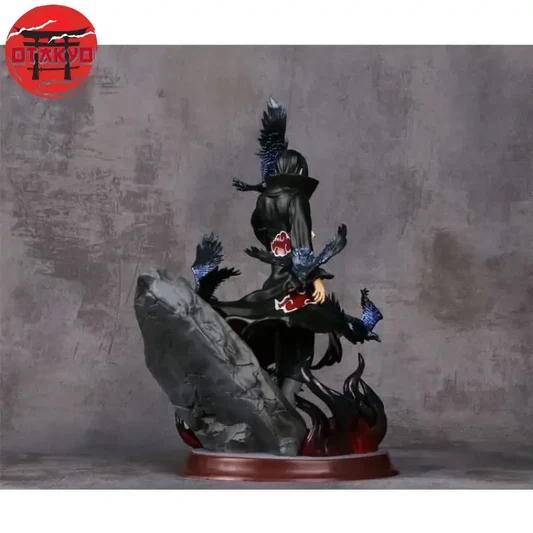
Manga figurines are more than decorative objects for anime enthusiasts. They represent favorite characters, memorable stories, and sometimes years of collecting. Whether you own a detailed One Piece statue, a Naruto action figure, or a limited edition Dragon Ball collectible, keeping its original packaging can make a significant difference. Many collectors throw away their boxes to save space, only to regret that decision when they decide to sell, transport, or reorganize their collection. The packaging is often an important part of the collectible itself.
An original anime figure box works like a protective shell, designed to hold a specific character and its accessories securely. Manufacturers frequently use molded plastic trays, cardboard inserts, and carefully positioned compartments to reduce movement during transportation. These elements are particularly useful for figurines featuring delicate weapons, thin accessories, elaborate hairstyles, or removable components. Keeping the packaging means retaining a storage solution created specifically for the figure rather than relying on generic containers that may provide inadequate protection.
There is also a financial consideration. The resale value of manga figurines can depend on several factors, including their condition, authenticity, rarity, popularity, and packaging. A complete figure with its original box may attract more interest than an identical unboxed model. Collectors often appreciate packaging because it provides useful product information and makes the item easier to assess. However, keeping a box does not guarantee that a figure will increase in value.
When exploring specialized retailers such as https://anime-figures-otakyo.com/, collectors can pay attention to how anime figure packaging presents different characters, manufacturers, and product lines. These details become useful when organizing a growing collection or identifying a particular release. Understanding the practical and collectible value of original boxes helps enthusiasts make better decisions about preservation, available space, and future purchases.
Original packaging protects manga figurines from damage
The primary reason to preserve original manga figurine boxes is protection. Even high-quality collectibles made from PVC, ABS plastic, or resin can suffer damage when stored or transported incorrectly. Extended accessories, delicate sculpted details, and small detachable parts are particularly vulnerable to accidental pressure. A box with its original internal supports can reduce these risks, provided the packaging remains intact and the figure is positioned correctly.
Many manufacturers design their packaging around the precise dimensions of each collectible. A removable sword, interchangeable face, or decorative base may have a dedicated compartment. This arrangement prevents components from rubbing against one another while the figure is being moved. It also helps collectors remember which accessories belong to a particular release.
However, packaging is not automatically safe under every condition. Some plastic inserts can become brittle, cardboard can absorb moisture, and tightly secured accessories may require careful handling. The most effective approach is to inspect the original materials before returning a valuable figure to storage.
Protection against dust, sunlight, and accidental impacts
Dust protection for anime figures is important because intricate sculptures often contain difficult-to-clean areas. Hair strands, clothing folds, textured bases, and facial details can accumulate particles over time. Returning a clean, completely dry figure to suitable packaging can reduce dust exposure, especially when the collectible will not be displayed for several months.
Direct sunlight is another concern. Prolonged exposure to ultraviolet radiation may contribute to discoloration in certain plastics, paints, and packaging materials. Although an opaque cardboard box blocks light effectively, some display boxes have large transparent windows. These windows should not be considered sufficient protection against prolonged sunlight exposure.
Original packaging can also limit damage caused by accidental handling. Collectors who frequently rearrange shelves may unintentionally knock over a figurine or catch an accessory against another object. Keeping a model in its fitted insert during transportation minimizes unnecessary contact with fragile surfaces.
For rare manga figurines, protection is particularly valuable because replacement components may be difficult to obtain. A broken accessory from a discontinued release might not be available separately. Retaining the original box and its inserts provides an additional layer of security when the collection needs to be moved.
Safe storage during moves and collection reorganizations
Moving a manga figure collection requires more preparation than transporting ordinary decorative objects. Large statues may contain several detachable pieces, while smaller action figures frequently include alternative hands, faces, weapons, and stands. Without suitable storage, these components can become separated or damaged.
The original figure packaging simplifies this process. A fitted plastic tray helps maintain the position of individual pieces, while the cardboard exterior provides a convenient surface for identification and handling. Collectors can organize boxes by anime series, manufacturer, or character, making unpacking considerably easier.
When preparing valuable collectibles for relocation, remove detachable accessories according to the manufacturer’s instructions. Place each component in its designated compartment and check that nothing is forced into position. If the original internal supports are missing, use suitable protective materials that will not transfer color, stick to painted surfaces, or place pressure on delicate parts.
For long-distance transportation, the retail box should generally be placed inside a stronger shipping carton with adequate cushioning. Safe transportation of anime figures depends on protecting both the figurine and its packaging from impacts, compression, and moisture. The original box is useful, but it should not replace proper external shipping protection.
Why do original boxes increase the resale appeal of anime figures?
In the collectibles market, presentation matters. Buyers examining a secondhand figure often want reassurance that the item is complete, authentic, and carefully maintained. An anime figurine with its original box can satisfy several of these expectations, especially when the internal packaging and accessories are also present.
The box identifies the manufacturer, character, product line, and sometimes the specific version of a release. This information can help potential buyers compare the item with known products. Packaging also makes it easier to store or resell the figure without purchasing additional protective materials.
Nevertheless, manga figurine resale value is influenced by demand and condition rather than packaging alone. A heavily damaged figure does not become valuable simply because its original box survives. Likewise, an excellent unboxed collectible may remain desirable if it is rare, complete, and accurately described.
Collectors should distinguish between the condition of the figure and the condition of its packaging. A slightly dented box may have limited importance to someone who plans to display the figure, while another buyer may strongly prefer a pristine package. Transparent descriptions and detailed photographs help both parties understand what is being offered.
The role of packaging in identifying authentic manga figurines
Counterfeit collectibles remain a concern for anime enthusiasts. Packaging can provide useful clues when assessing authentic manga figurines, although it should never be treated as definitive proof. Counterfeit products sometimes reproduce logos, illustrations, barcode labels, and other details found on legitimate packaging.
Original boxes may display information about the manufacturer, official product licensing, distributors, or a particular production release. Collectors can compare these characteristics with documented examples of the same figurine. Typography, print quality, product photographs, and internal inserts may also reveal inconsistencies worth investigating.
However, legitimate packaging can vary between production batches and regional distributions. Some genuine products are sold through different markets with distinct labels or stickers. Missing or unfamiliar packaging details are therefore not sufficient to declare a figure counterfeit.
When checking anime figure authenticity, examine the sculpture, paint application, assembly, markings, and overall manufacturing quality alongside the packaging. Purchasing through reputable sellers and retaining receipts can provide additional reassurance. A genuine box is valuable supporting evidence, but it is not an authenticity certificate.
How should you store original manga figurine boxes?
Preserving packaging requires attention to the storage environment. Cardboard is sensitive to humidity, sunlight, insects, and physical pressure. A box that looks excellent when purchased can develop stains, warped surfaces, or weakened corners if stored in unsuitable conditions for several years.
For long-term anime figure storage, choose a clean, dry location with relatively stable temperatures. Avoid damp basements, poorly ventilated sheds, and hot attics. Excessive heat can affect some plastics and adhesives, while persistent moisture encourages deterioration of cardboard and may contribute to mold growth.
Collectors with limited space can organize boxes according to their size and structural strength. Heavy packages should remain at the bottom of a stack, with lighter boxes positioned above them. Avoid compressing decorative packaging or placing heavy objects directly on transparent windows.
Keep the original inserts whenever possible. The exterior cardboard alone provides less protection if the molded tray, accessory compartments, and supporting materials are missing. When storing empty packaging, consider placing it inside a larger protective carton to reduce dust exposure and accidental crushing.
A practical manga collection storage system should also make individual boxes easy to locate. Simple labels attached to external storage cartons can identify the anime series or manufacturer without modifying the collectible packaging itself. This approach is particularly useful for enthusiasts managing dozens of different releases.
Keeping the box or displaying the figurine: finding the right balance
Collectors do not need to choose permanently between enjoying their figurines and preserving their packaging. A display cabinet offers the opportunity to appreciate detailed sculptures while the original boxes remain safely stored elsewhere. This arrangement combines the visual pleasure of collecting with practical protection for future transportation.
Some enthusiasts prefer displaying unopened products, especially when packaging artwork forms an important part of the presentation. Others enjoy posing articulated characters, changing accessories, and creating scenes inspired by their favorite anime. Both approaches are valid, and neither guarantees a better financial outcome.
For limited edition manga figures, keeping all original components is generally a sensible precaution. Exclusive accessories, numbered certificates when supplied, interchangeable parts, and special packaging may influence a collector’s interest. Before discarding anything, confirm whether an apparently ordinary insert or accessory belongs to the complete product.
Space remains the main challenge. Large figure boxes can occupy more room than the displayed collectibles themselves. When storage becomes difficult, prioritize packaging for expensive, fragile, rare, or potentially resellable items. For inexpensive figures intended solely for personal enjoyment, discarding packaging may be a reasonable choice.
When is it reasonable to throw away an anime figure box?
Keeping every box is not essential for every collector. The decision should reflect the figure’s value, fragility, completeness, and intended use. Someone who never plans to sell their collection may place less importance on packaging than a collector who regularly trades limited releases.
Before discarding a box, consider whether the figure can be transported safely using alternative materials. Models with delicate bases, extended weapons, or multiple removable accessories deserve particular attention. Compact collectibles with simple designs are often easier to protect in carefully padded containers.
It is also worth documenting the packaging before disposal. Photographs of the product label, manufacturer information, and included accessories can help identify the exact release later. Keeping purchase receipts and recording the original product name may also prove useful for collection management.
Ultimately, preserving original anime figure boxes offers practical benefits, but collecting should remain enjoyable. The strongest reasons to keep packaging are reliable storage, safer transportation, and potential resale appeal. A well-maintained box can support the long-term preservation of a treasured collectible, while thoughtful alternatives may work perfectly well for figures that are meant to be displayed and enjoyed without concern for future resale.