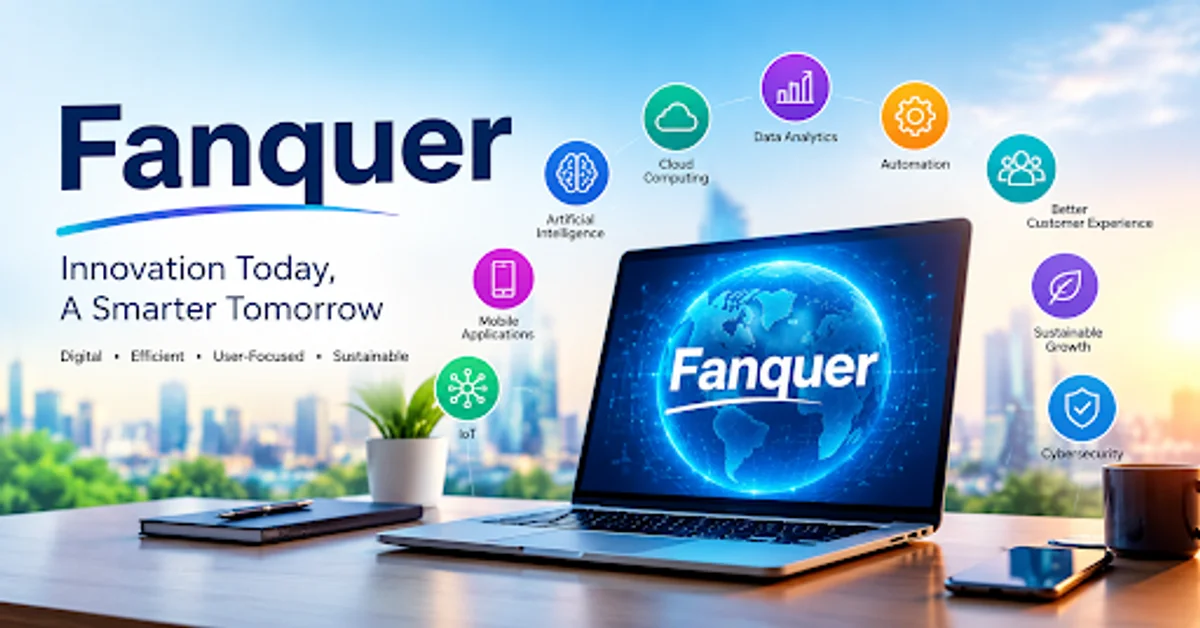
Fanquer is a concept centered on innovation, flexibility, efficiency, and improved user experiences. Under this interpretation, it represents an approach to identifying problems, adopting suitable digital tools, and improving the way people and organizations work.
The Fanquer concept brings together familiar principles of modern business development. These include continuous improvement, practical technology adoption, customer engagement, and data-driven decision-making. Rather than representing one specific software product, Fanquer can be discussed as a broad idea for making processes more effective and responsive.
Interest in unfamiliar terms often grows as people search online for new ideas, technologies, and business opportunities. Fanquer may attract curiosity because its proposed meaning connects with topics such as digital transformation, automation, and customer-focused innovation.
Nevertheless, widespread popularity or growing adoption cannot be assumed without reliable evidence. Readers should evaluate the context in which Fanquer appears and determine whether a particular source uses it as a brand, platform, coined term, or general concept.
Related: Microwey: Meaning, Features, Benefits, and the Future of Smart Cooking
Key Characteristics of Fanquer
Innovation, Flexibility, and Adaptability
Innovation is a central theme in the proposed Fanquer approach. Organizations can use innovative thinking to reconsider outdated processes, test new ideas, and identify more effective ways to serve customers. Technological innovation may involve introducing automation, improving communication, or simplifying a complicated workflow.
Flexibility is equally important. Customer expectations, market conditions, and available technologies can change quickly. A flexible business strategy helps organizations respond to these changes without abandoning their main objectives. Small experiments, regular feedback, and thoughtful adjustments can support business adaptability and long-term resilience.
User-Centered Design and Scalability
User-centered design focuses on the needs, expectations, and challenges of the people who use a product or service. In a Fanquer-inspired approach, businesses would prioritize accessibility, clear navigation, useful features, and straightforward communication. These principles can improve User Experience (UX) and help customers complete tasks with less frustration.
Scalability means that a solution can accommodate increasing demand without requiring a complete redesign. For example, a small online retailer might begin with a basic website and later introduce inventory automation, customer support software, and advanced analytics. This gradual development can support growth while keeping technology investments aligned with actual business needs.
Benefits of Fanquer
Improved Productivity and Efficiency
One potential benefit of applying Fanquer principles is improved productivity. Businesses often spend valuable time on repetitive tasks, disconnected systems, and manual recordkeeping. Business Process Automation can reduce unnecessary work, allowing employees to concentrate on activities that require creativity, judgment, and personal communication.
Operational efficiency also improves when teams establish clear responsibilities and use appropriate Digital Collaboration Tools. Shared documents, organized project boards, and automated notifications can reduce delays and misunderstandings. The results depend on the quality of implementation, but well-designed processes can make everyday work more consistent and manageable.
Better Customer Satisfaction and Sustainable Growth
Customer satisfaction depends on reliable service, relevant products, fair communication, and convenient experiences. A Fanquer-inspired strategy would place these priorities at the center of business decisions. Companies can use Customer Relationship Management (CRM) systems to organize customer information, respond to inquiries, and identify recurring service problems.
Sustainable business growth requires more than attracting new customers. Organizations must also manage resources responsibly, maintain product quality, and build lasting relationships. When businesses combine customer feedback, careful planning, and continuous improvement, they can create a stronger foundation for long-term success and contribute to Sustainable Development where relevant.
Applications of Fanquer Across Industries
Fanquer in Business, Entrepreneurship, and Marketing
Entrepreneurs can apply the proposed Fanquer principles when evaluating business ideas, improving services, or building scalable business models. For example, a small company could identify a slow order-processing system, introduce an appropriate digital tool, and measure whether delivery times improve. This practical process turns innovation into a measurable business activity.
In Digital Marketing, similar principles can support better audience understanding and customer engagement. Businesses can study campaign performance, personalize content responsibly, and improve communication across relevant channels. E-commerce companies may also use website analytics, customer feedback, and automated inventory systems to create a smoother shopping experience. These are established business practices that fit the article’s interpretation of Fanquer, rather than evidence of a specific Fanquer marketing platform.
Fanquer in Technology, Education, and Healthcare
In technology, a Fanquer-inspired mindset could encourage Software Development teams to build products around actual user needs. Developers can gather feedback, test features, correct problems, and release improvements in manageable stages. Project Management methods can help teams coordinate tasks, monitor deadlines, and maintain accountability.
Educational institutions could use digital learning platforms to improve access to lessons and support collaboration. Healthcare organizations might explore secure appointment systems, electronic records, and administrative automation to reduce avoidable delays. However, healthcare applications require strict attention to patient privacy, clinical safety, and applicable regulations. Technology should support qualified professionals rather than replace appropriate medical judgment.
Fanquer and Digital Innovation
The Role of AI, Cloud Computing, and Automation
Artificial Intelligence (AI) can analyze information, assist with routine tasks, and help users find patterns in large datasets. Machine Learning, a branch of AI, allows systems to learn patterns from data and make predictions within defined limits. Potential applications include customer-service assistance, demand forecasting, and document classification.
Cloud Computing provides internet-based access to computing resources, storage, and software. Automation tools can connect these resources with business workflows, helping organizations reduce repetitive work. When discussing Fanquer technology, these established technologies offer practical examples of innovation that businesses might consider. Their suitability depends on cost, security, reliability, and the problem being solved.
Data Analytics and Connected Digital Solutions
Big Data Analytics and broader Data Analytics help organizations examine information from sales, customer interactions, operations, and other sources. Reliable analysis can reveal patterns, measure performance, and support better decisions. For example, a retailer may identify which products sell during particular seasons and adjust stock levels accordingly.
The Internet of Things (IoT) connects physical devices that collect or exchange data. Sensors can monitor equipment, environmental conditions, or inventory movement. Blockchain Technology may provide tamper-resistant records for certain transactions and shared processes, although it is not necessary for every business. These technologies can support selected digital solutions, but their value depends on a clear use case rather than the novelty of the technology itself.
Challenges and Limitations of Fanquer
Implementation Costs and Resistance to Change
Introducing new systems can involve software subscriptions, hardware purchases, staff training, data migration, and ongoing maintenance. Smaller organizations may have limited budgets, making it important to prioritize improvements with clear and realistic benefits. A gradual implementation plan can reduce unnecessary spending and help businesses learn before expanding a project.
Resistance to change is another common challenge. Employees may worry about unfamiliar tools, additional responsibilities, or changes to established routines. Leaders can address these concerns by explaining the reasons for change, involving employees in planning, and offering practical training. Successful adoption requires people to understand not only how a system works but also why it is useful.
Cybersecurity Risks and Continuous Adaptation
Greater digital connectivity can introduce Cybersecurity challenges, including unauthorized access, phishing, data loss, and insecure software. Businesses should use strong authentication, appropriate access permissions, secure backups, software updates, and employee awareness training. Sensitive information should be collected and retained only when necessary, with suitable safeguards in place.
Continuous adaptation is also essential because technologies and business needs evolve. Organizations should regularly review system performance, security practices, customer feedback, and operating costs. If a tool fails to deliver its intended benefits, businesses should improve it, replace it, or discontinue it. This evidence-based approach helps prevent unnecessary complexity and supports responsible innovation.
How to Implement Fanquer Successfully
Setting Clear Goals and Understanding User Needs
A practical implementation begins by defining the problem. Instead of adopting technology simply because it is popular, an organization should identify a specific objective, such as reducing customer response times, improving inventory accuracy, or simplifying internal communication.
Next, businesses should gather information from customers, employees, and relevant performance records. Clear objectives make it easier to compare possible solutions and select the most suitable option. A small pilot project can reveal problems early and provide evidence about whether a proposed improvement is worth expanding.
Training Teams and Measuring Performance
Employees need adequate training to use new systems confidently. Training may include demonstrations, written instructions, practice sessions, and access to ongoing support. Managers should encourage questions and treat early mistakes as opportunities to improve the process rather than automatically blaming users.
Performance measurement helps determine whether implementation is successful. Depending on the project, useful indicators might include processing time, customer satisfaction, error rates, operating costs, or employee adoption. Organizations should compare results with their starting position and review them regularly. This cycle of testing, measuring, and refining reflects the continuous improvement associated with the proposed Fanquer approach.
The Future of Fanquer
Emerging Technologies and New Opportunities
The Fanquer future remains uncertain because its status as an established framework has not been independently verified. However, the broader themes associated with it are relevant to ongoing technological development. AI-assisted services, improved automation, connected devices, and advanced analytics continue to create opportunities for organizations seeking better ways to operate.
Emerging technologies should be evaluated carefully rather than adopted automatically. Businesses need to consider reliability, accessibility, data protection, affordability, and potential unintended consequences. The strongest opportunities often emerge when a technology solves a clearly defined problem and produces benefits that can be measured.
Long-Term Potential for Businesses and Individuals
For businesses, innovation-oriented thinking can encourage more responsive services, streamlined workflows, and better use of available resources. For individuals, it can promote digital literacy, creative problem-solving, and a willingness to learn new skills. These capabilities remain useful even when specific tools or industry trends change.
Long-term progress depends on responsible decisions, practical experimentation, and ongoing learning. Whether Fanquer eventually develops a more specific meaning or remains a broad term, the underlying principles of adaptability and user-focused improvement can still offer a useful perspective when applied thoughtfully.
Why Does Fanquer Matter Today?
Fanquer in a Changing Digital Landscape
Organizations operate in an environment shaped by changing customer expectations, digital competition, and rapid technological development. Businesses that regularly review their processes may identify opportunities to improve service quality and respond more effectively to market changes.
Fanquer provides a useful topic through which to explore these priorities, provided its proposed meaning is not confused with a verified technical standard. Its practical value lies in the established ideas it brings together: efficiency, flexibility, digital innovation, and attention to user needs. These principles can be assessed through real-world outcomes.
Building a Culture of Innovation and Improvement
A strong culture of innovation encourages employees to share ideas, question inefficient processes, and learn from results. Leaders can support this culture by making experimentation manageable, recognizing useful contributions, and providing teams with the resources they need to solve problems.
Innovation Management can help organizations prioritize projects, evaluate risks, and allocate resources to promising initiatives. Regular reviews ensure that successful improvements are maintained and ineffective approaches are reconsidered. By combining creativity with accountability, organizations can build a workplace that values progress without losing sight of quality, trust, and responsibility.
Related: Uncuymaza: Meaning, Origin, and Complete Guide
Frequently Asked Questions
What is Fanquer?
Fanquer is presented in this article as a proposed concept associated with digital innovation, adaptability, efficiency, and user-focused experiences. Its status as a formally recognized framework has not been independently established.
What does Fanquer mean?
The proposed Fanquer meaning centers on improving processes, using suitable technology, responding to changing needs, and encouraging continuous improvement. Its meaning may differ depending on the context in which the term appears.
What are the main benefits of Fanquer?
Potential benefits include improved productivity, streamlined workflows, better customer engagement, informed decision-making, and sustainable growth. These outcomes depend on how the underlying practices are implemented.
How can businesses apply Fanquer principles?
Businesses can begin by identifying operational problems, setting measurable goals, understanding customer needs, selecting appropriate digital tools, training employees, and evaluating results.
What is the future of Fanquer?
The future of Fanquer as a specific concept is uncertain. However, the broader themes associated with it—such as automation, AI, digital transformation, and continuous improvement—remain relevant to modern organizations.
Summary
Fanquer can be interpreted as an innovation-focused concept associated with digital transformation, efficiency, adaptability, and user-centered experiences. This interpretation connects with established practices in business strategy, digital marketing, software development, automation, and data analysis. Potential benefits include more organized workflows, improved customer engagement, and stronger decision-making when appropriate methods are used.
However, Fanquer should not be presented as a proven technology, formally recognized framework, or widely adopted industry standard without reliable supporting evidence. Understanding this distinction allows readers to explore the concept while maintaining an accurate view of what is known and what remains uncertain.
The most valuable lesson associated with Fanquer is the importance of purposeful innovation. Businesses and individuals can make meaningful progress by identifying real needs, choosing suitable tools, measuring outcomes, and continually improving their approach. New technologies can support this process, but thoughtful planning and human judgment remain essential.